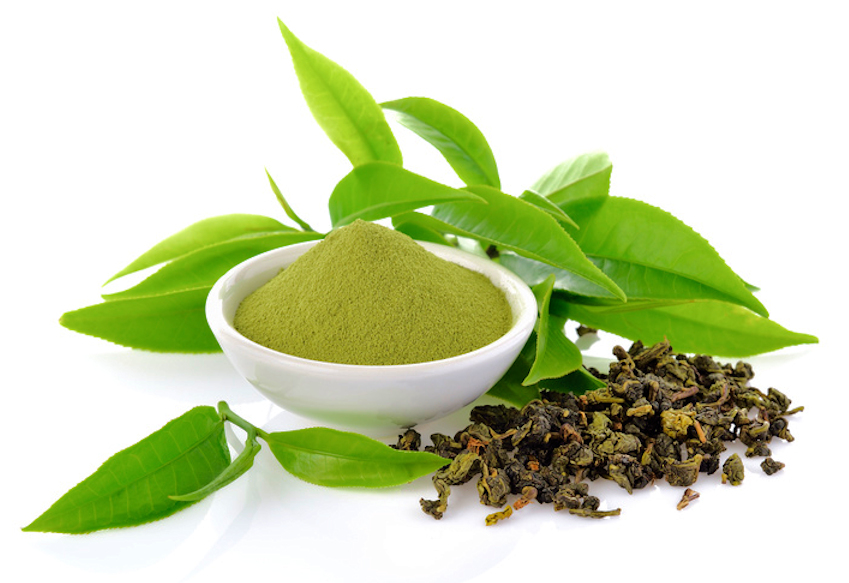
🌿 Green Tea
Grüner Tee
Camellia sinensis (L.)
Green tea is produced from the leaves of Camellia sinensis. Unlike black tea, the leaves are not fermented after harvesting but are steamed or pan-fried and then dried. This preserves particularly high levels of polyphenols and catechins. Important constituents include catechins such as EGCG (epigallocatechin gallate), caffeine, L-theanine, other polyphenols, minerals and trace elements.
Traditionally, green tea has mainly been used to promote alertness and concentration, support digestion and improve general wellbeing. The European Medicines Agency lists green tea as a herbal medicinal product in the context of fatigue and weakness.
Modern research suggests potentially beneficial effects on blood lipids and certain cardiometabolic risk factors. Meta-analyses of randomised trials have found small improvements in total and LDL cholesterol, blood pressure and some blood glucose parameters. However, these effects are not strong enough for green tea to be considered a substitute for medical treatment.
Evidence for cancer prevention or cancer treatment in humans remains inconclusive. Laboratory and some epidemiological studies are promising, but current evidence is insufficient to recommend green tea as a treatment for cancer.
Traditionally, green tea has mainly been used to promote alertness and concentration, support digestion and improve general wellbeing. The European Medicines Agency lists green tea as a herbal medicinal product in the context of fatigue and weakness.
Modern research suggests potentially beneficial effects on blood lipids and certain cardiometabolic risk factors. Meta-analyses of randomised trials have found small improvements in total and LDL cholesterol, blood pressure and some blood glucose parameters. However, these effects are not strong enough for green tea to be considered a substitute for medical treatment.
Evidence for cancer prevention or cancer treatment in humans remains inconclusive. Laboratory and some epidemiological studies are promising, but current evidence is insufficient to recommend green tea as a treatment for cancer.
Notes
Green tea consumed as a beverage in normal amounts is generally considered safe for adults. However, it contains caffeine and may cause restlessness, sleep disturbance or palpitations in sensitive individuals.
Particular caution is warranted with highly concentrated green tea extracts in capsules or tablets. Rare cases of liver injury have been reported, mainly with concentrated extracts. EFSA notes that high amounts of EGCG from food supplements may be problematic; doses of 800 mg EGCG per day have been associated with early signs of liver injury. No comparable general risk has been identified for ordinary green tea infusions.
Green tea and green tea extracts may interact with medicines. Interactions have been reported with drugs including nadolol and atorvastatin. People taking medication should seek professional advice, particularly before using concentrated green tea extracts.
Particular caution is warranted with highly concentrated green tea extracts in capsules or tablets. Rare cases of liver injury have been reported, mainly with concentrated extracts. EFSA notes that high amounts of EGCG from food supplements may be problematic; doses of 800 mg EGCG per day have been associated with early signs of liver injury. No comparable general risk has been identified for ordinary green tea infusions.
Green tea and green tea extracts may interact with medicines. Interactions have been reported with drugs including nadolol and atorvastatin. People taking medication should seek professional advice, particularly before using concentrated green tea extracts.
Effects
- cardioprotective
- digestive
- studied for cancer prevention
- difficulty urinating
- anti-inflammatory
- cholesterol-lowering
- supportive of healthy blood glucose
- supportive of healthy blood pressure
- alertness-enhancing
- antioxidant
- antimicrobial
- stimulating
Conditions
- overweight
- cellular protection
- digestive complaints
- fatigue and exhaustion
- cancer prevention
- concentration difficulties
- cardiovascular system
- elevated LDL cholesterol
- elevated cholesterol levels
- elevated blood glucose
- elevated blood lipids
- type 2 diabetes
Application Areas
- cells
- digestion
- metabolism
- nervous system
- liver and natural detoxification processes
- cancer prevention
- cardiovascular system
- general wellbeing
Plant Parts
- leaf
Preparations
- tea
- powder
- dried
- extract
- infusion
Contraindications
- breastfeeding
- pregnancy
- sleep disorders
- liver disease
- caffeine sensitivity
- allergy